

What Is Sensory Play Sand?
Sensory play sand is sand made or sold for hands-on play: scooping, pouring, squeezing and molding, usually rated for ages 3 and up. It is a marketing label, not a technical standard, and three quite different products are sold under it.
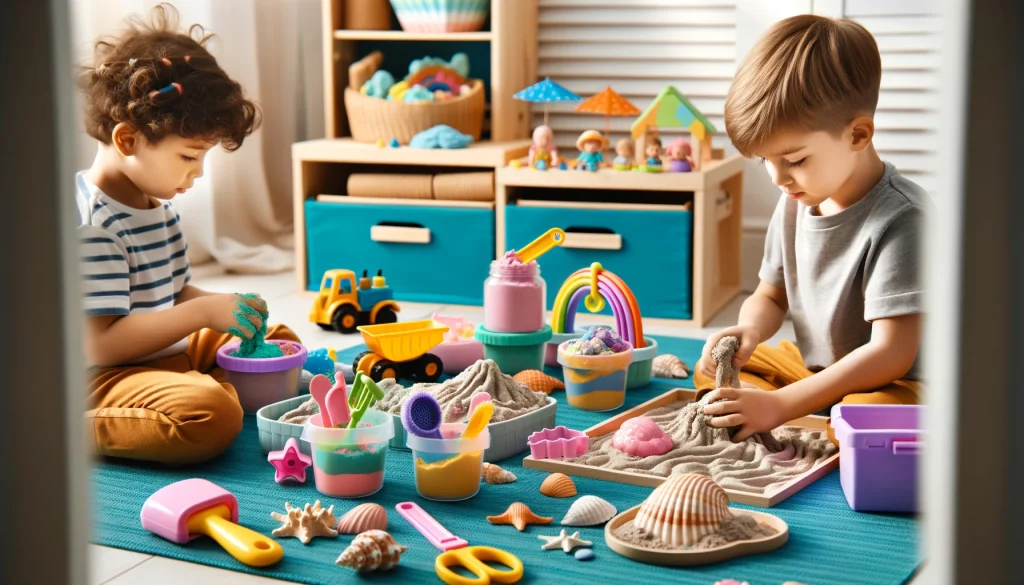
The Three Kinds of Sensory Play Sand
| Type | How it feels | Best for | Watch out for |
|---|---|---|---|
| Loose play sand (often white) | Dry, free-flowing, grainy | Scooping, pouring, sensory bins | Can be dusty and won’t hold a shape; choose washed, low-dust sand |
| Colored craft sand | Fine, loose, dyed | Sand art, layering in jars | Sold for crafts first, so confirm the age rating covers play |
| Moldable sand | Soft, cohesive, keeps its shape | Molding, cutting, stamping | Binder quality varies by maker |
How to Choose Sensory Play Sand
- Age rating. Look for a stated minimum age, not just “for kids.”
- Safety marks. Look for ASTM F963 (US) and EN 71 (Europe), and ask the seller for the matching test report. See toy sand standards compared: GB 6675, EN 71 and ASTM F963.
- Silica wording. Natural play sand is mostly quartz (crystalline silica). The concern is fine, breathable dust, which washed or bound sand releases far less of. “Silica-free” usually means not quartz-based, as with glass beads versus silica sand, but ask what it is made of.
- Amount. Multiply bin length × width × fill depth. A 24 × 16-inch bin filled 2 inches deep holds 768 cubic inches (about 0.44 cubic feet). Weight per volume varies by material, so check the pack weight.
- Tools or refill. Kits include molds; refills are just sand.
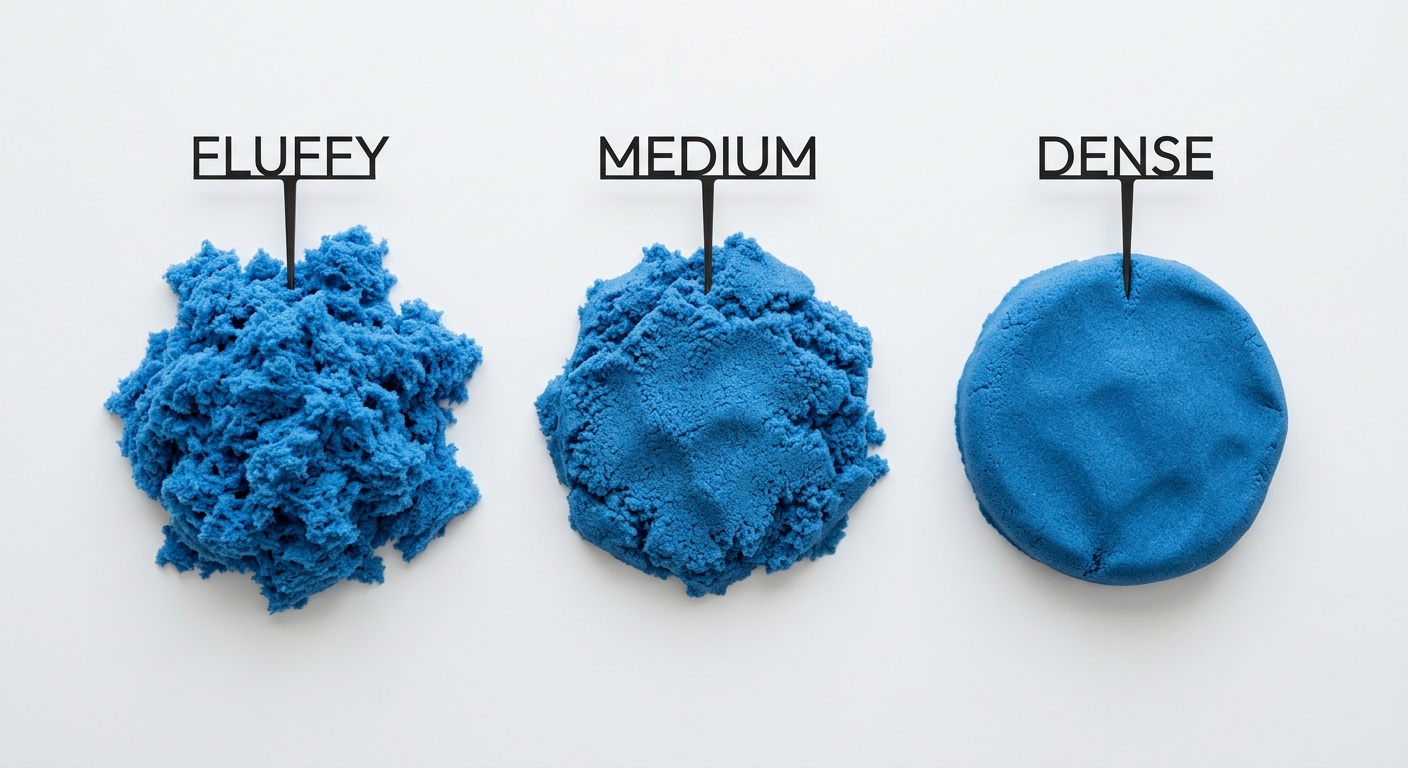
Binder Types: Why Some Sand Stays Moldable
| Binder | Over time | Feel |
|---|---|---|
| Water- or starch-based | Loses moisture, turns crumbly | Damp, clumpy |
| Oil-and-flour (homemade) | Food-based, so best used fresh | Soft, powdery |
| Silicone-based | Doesn’t rely on water, so it typically stays moldable longer | Smooth, not sticky |
Our own glass bead sand uses a high-temperature-resistant organic silica gel binder and is made not to dry out. From any supplier, ask for storage test data in writing. If sand stiffens, see why kinetic sand dries out.
Want the moldable type in volume? See bulk magic sand in vibrant colors, or tell us what you need.
Sensory Play Sand FAQ
-
Is sensory sand the same as kinetic sand?
No. "Sensory sand" is the broad category; kinetic sand is one moldable type within it that holds its shape, while loose sensory sand pours like beach sand.
-
How do you make sensory play sand?
Cloud dough is the easiest: mix 8 cups of flour with 1 cup of vegetable oil until crumbly. Raw flour can carry E. coli, so heat-treat it first: bake it on a tray at 350°F (175°C) for about 5 minutes, until it reaches 160°F (71°C), then let it cool. For a taste-safe option, crush stale cereal into "cereal sand." Both are food-based, so check for allergies (wheat, nut oils), supervise closely, and avoid either for children under 3.
-
Is sand play good for sensory development?
It gives varied tactile input and open-ended play such as digging, pouring and shaping. Occupational therapists use it too, as in how OTs use magic sand with autism and ADHD. It is a play material, not a treatment.
-
Is sensory sand safe for kids?
It depends on the product. Check the age rating and safety marks, choose washed, low-dust sand for loose types, and supervise young children so sand stays out of mouths and eyes. Unlabeled construction sand isn't made for play.
For play ideas, try these 30 hands-on kinetic sand activities for learning and play.